
HEALTHY WEIGHT
A Healthier Way to Lose Weight
Healthy weight loss does not require another extreme diet. It begins with understanding what your body needs, building habits you can sustain, and making consistent choices that support your health over time.
YOU ARE NOT ALONE
If Losing Weight Has Felt Difficult, There May Be a Reason
Many people begin a new diet with determination, lose some weight, and then find that the plan becomes increasingly difficult to maintain. When the weight returns, they may conclude that they lacked discipline or simply did not try hard enough.
But lasting weight loss involves much more than willpower. Hunger, food quality, muscle preservation, sleep, stress, movement, daily routines, and the sustainability of the plan can all influence the outcome.
A strategy may produce short-term weight loss and still be poorly suited to supporting long-term health and lasting change.
THE BIG IDEA
The goal is not simply to follow a plan long enough to lose weight. It is to build a healthier way of living that you can realistically continue.
SUSTAINABLE CHANGE
Healthy Weight Loss Is Built, Not Forced
Lasting progress usually comes through an approach that protects your health while helping you create realistic changes in everyday life.
Understand Your Body
Learn how food quality, appetite, energy balance, metabolism, sleep, movement, and other health factors can influence weight.
Build Sustainable Habits
Replace temporary rules with practical eating and lifestyle habits that can become part of your normal life.
Grow Through Consistency
Focus on steady progress rather than perfection, learning from setbacks and continuing to move forward.
Sustainable weight loss is not the result of one perfect decision. It grows from healthier choices practiced consistently over time.
EIGHT FOUNDATIONS
What Supports Healthy, Sustainable Weight Loss?
No single food, diet, or exercise determines the outcome. Healthy weight management is supported by several connected principles working together.
Create an Appropriate Energy Deficit
Weight loss requires the body to use more energy than it receives over time. But the deficit should be realistic enough to support adequate nutrition, daily functioning, and long-term consistency.
Choose Foods That Nourish and Satisfy
Meals built around nutrient-dense foods can provide the protein, carbohydrates, healthy fats, fibre, vitamins, and minerals your body needs while helping you feel satisfied.
Include Adequate Protein
Protein supports fullness and helps preserve muscle during weight loss. Maintaining muscle is important for strength, function, metabolic health, and healthy aging.
Choose Quality Carbohydrates
Carbohydrates are not automatically an obstacle to weight loss. High-quality sources—including vegetables, fruits, legumes, and whole grains—can provide energy, fibre, and valuable nutrients.
Include Healthy Fats
Healthy fats support satisfaction, nutrient absorption, and overall health. Portion awareness matters because fats are energy-dense, but eliminating them is neither necessary nor desirable.
Move Regularly and Preserve Strength
Everyday movement and structured exercise can support health and weight management. Strength-building activity is especially valuable for maintaining muscle while losing fat.
Protect Sleep and Manage Stress
Inadequate sleep and chronic stress can affect appetite, food choices, energy, recovery, and the ability to maintain healthy routines.
Build an Approach You Can Continue
The most effective plan is not merely one that produces early results. It must also be realistic enough to become part of your life.
THE BIG IDEA
Healthy weight loss is not just about losing fat. It is about preserving the muscle, strength, and health that help you flourish.
START HERE
Begin with the Foundations
These two resources will help you understand the principles behind sustainable weight loss and clear up one of the most common sources of nutrition confusion.
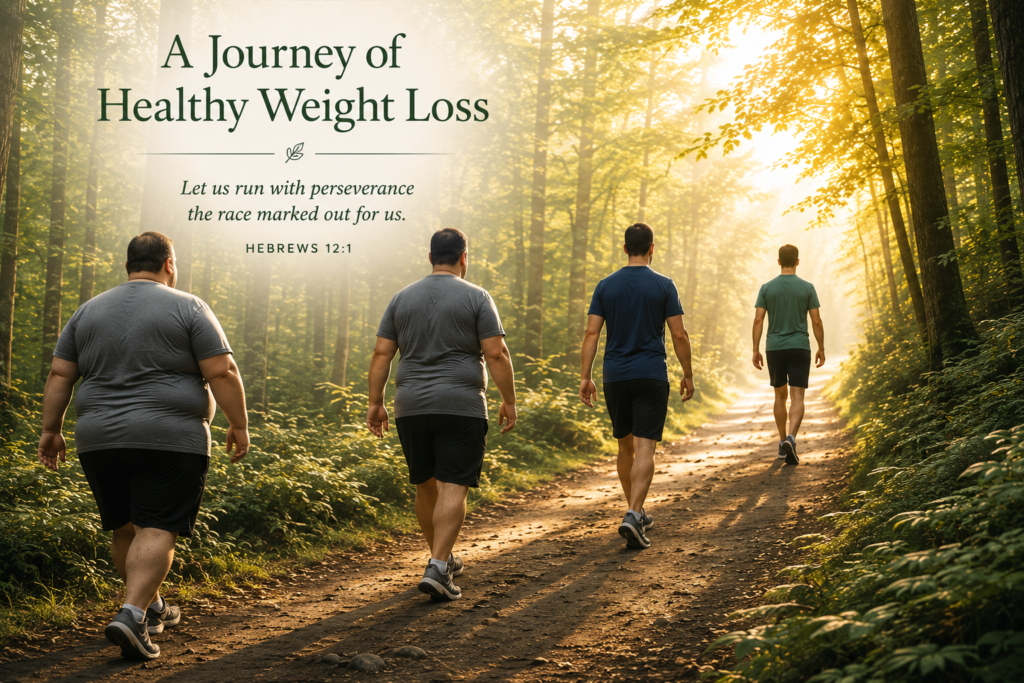
Understand the essential principles behind healthy, sustainable weight loss before choosing another diet or short-term plan.
Learn why carbohydrates are not the enemy—and how choosing the right sources can support energy, health, and sustainable weight management.
New Healthy Weight resources will be added as the Holistic Shalom Digital Library grows.
CONTINUE LEARNING
Explore the Factors That Influence a Healthy Weight
Weight management is connected to more than food alone. As this collection grows, you will find guidance addressing the different factors that can support—or complicate—lasting progress.
Balanced Nutrition
Learn how protein, carbohydrates, healthy fats, fibre, and overall food quality work together.
Appetite and Eating Habits
Understand hunger, satisfaction, portions, meal patterns, and the everyday habits surrounding food.
Movement and Muscle
Explore the roles of daily activity, exercise, strength, and muscle preservation in healthy weight management.
Sleep, Stress, and Recovery
Discover how sleep and stress can influence appetite, energy, food choices, recovery, and consistency.
Each of these areas can become part of a realistic, whole-person approach to healthy weight management.
PERSONAL GUIDANCE
You Do Not Have to Figure It Out Alone
Learning the principles is an important beginning. Applying them consistently to your own needs, routines, challenges, and goals can be more difficult.
Holistic nutrition coaching gives you a supportive place to understand what may be influencing your progress, develop realistic strategies, and build healthier habits one step at a time.
Understand the factors influencing your progress
Build practical strategies around your real life
Receive support as you turn knowledge into consistent action
Evidence-informed guidance for practical, sustainable change.
YOUR NEXT STEP
Begin Building a Healthier Way Forward
Sustainable weight loss does not require a perfect diet or a complete transformation overnight. It begins with understanding your body, making realistic changes, and continuing forward one healthier choice at a time.
You can begin by continuing to learn—or receive personal guidance when you are ready.
Small, consistent steps can lead to meaningful, lasting change.
